cassandra

What Saori weaving taught me about value

The road north out of Phuket empties quickly. Within an hour the resorts give way to rubber plantations, then to nothing in particular, the kind of nothing that Phang Nga province specialises in, green and quiet and unbothered by what happened here.

All waste is violent

Not all waste is equal. A discarded plastic bottle is bad. Exploded remnants of war is something else entirely.

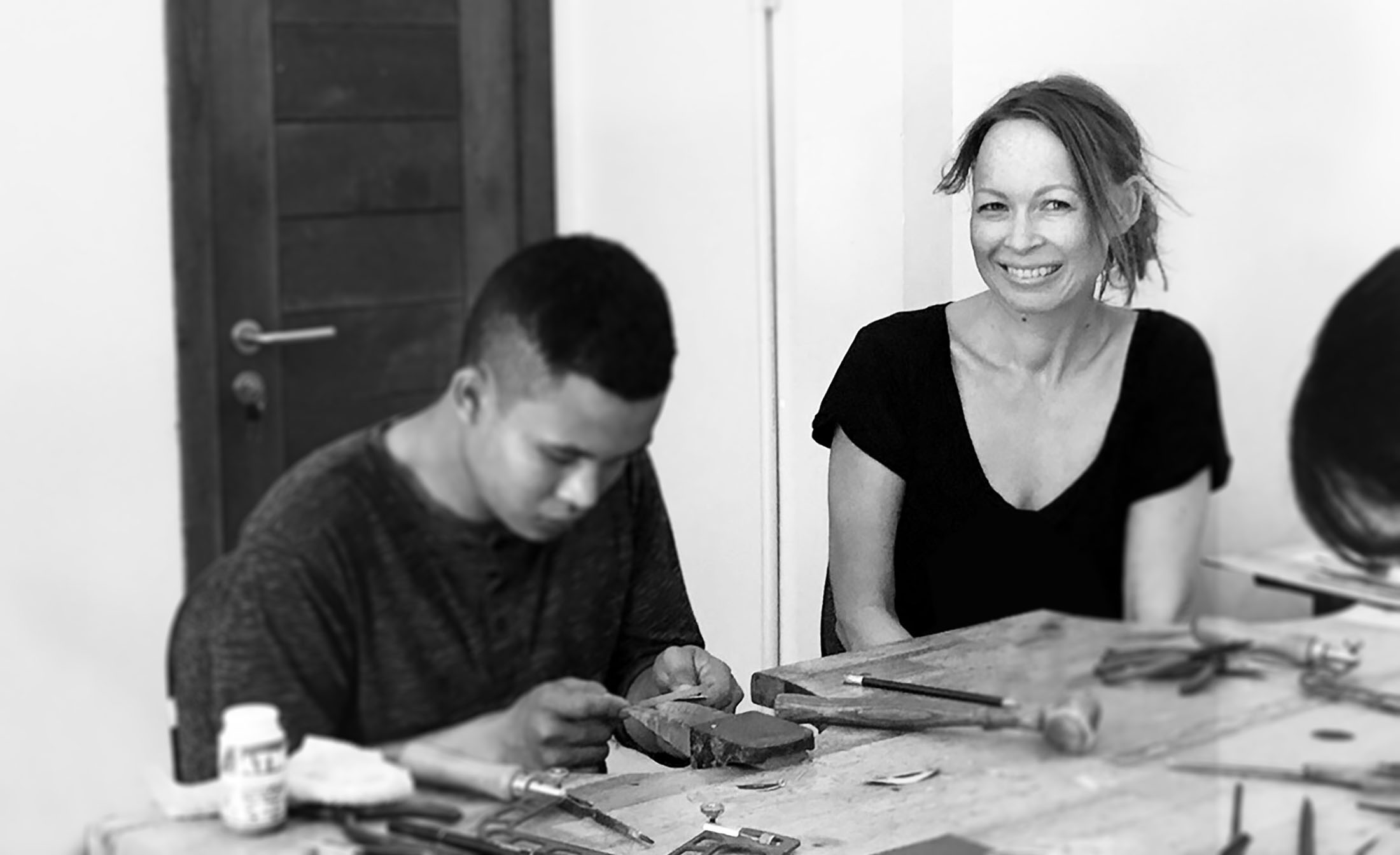
War debris carries collective grief and destruction with it. Fashion, meanwhile, is built on desire and the absence of difficulty. That’s the tension at the core of what I did for ten years: I ran a business that turned war debris from Cambodia into jewellery, sold through boutiques.

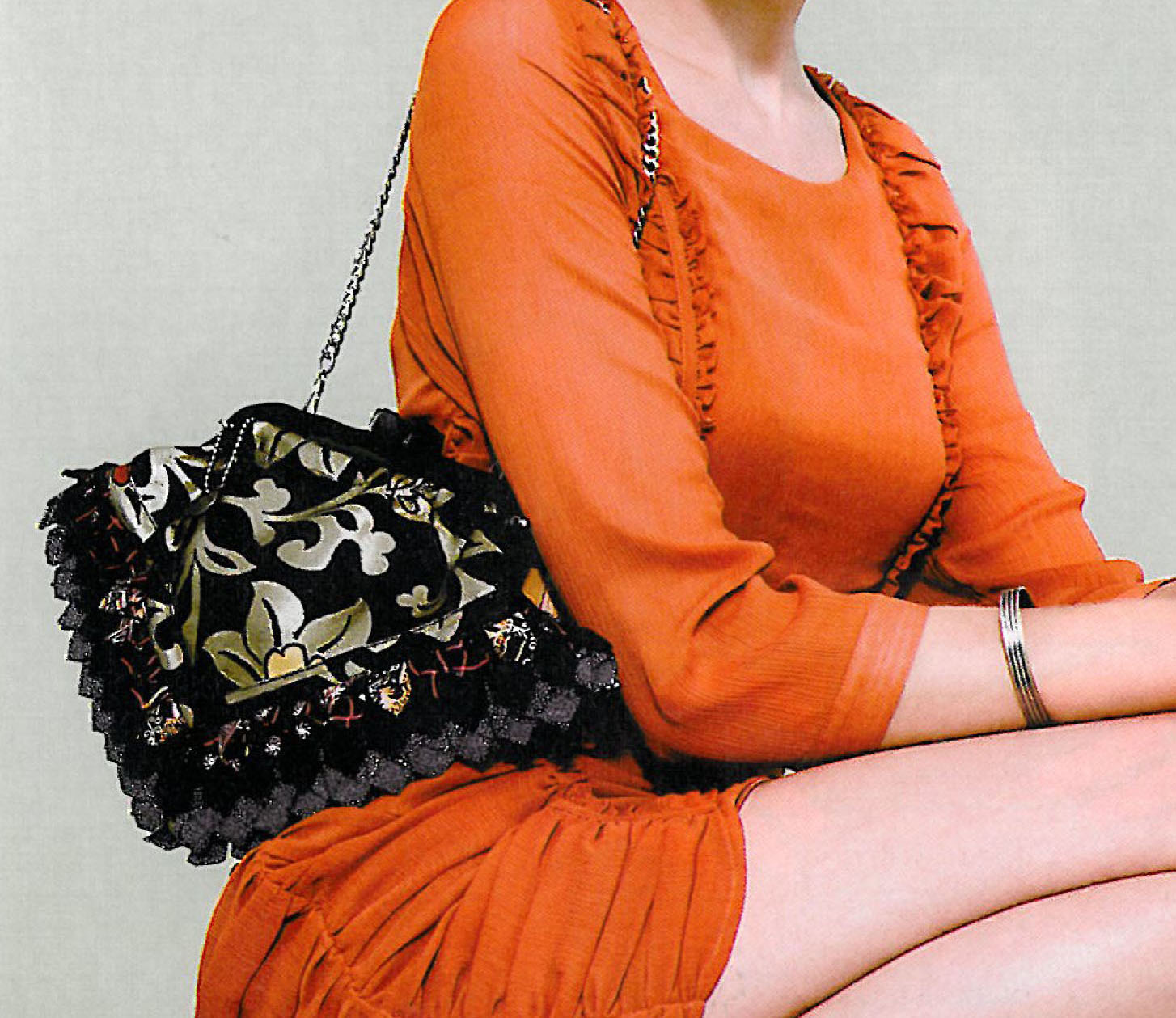
Ayumi Kajiwara and Manon Kundry dress

Does decay now get a gift shop? A gallery’s take on difficult fashion.

Dirty Looks: Desire and Decay in Fashion, the Barbican’s first major fashion exhibition in eight years, gathered fifty years of designers who used dirt, decay, and difficult materials to push back against fashion’s obsession with glossy surfaces. Walking upstairs through the show, the development is visible: waste and imperfection is seen as material to draw attention to itself, then something more considered.

The New Esthetic of Sustainable Luxury

(This post was first published in The Guardian’s Sustainable Business hub). Design innovation and social problem-solving are coming together in the fashion world, from fair trade pants to recycled bombshells.

Over the past few years, we have seen a growing desire for more transparency in our clothing manufacturing processes. Just as consumers are becoming more informed about the pitfalls of mass-produced clothes, so more brands are emerging that cite ethical production as their purpose.

The Stories That Matter

(This post was first published in Thrive Global). “Success is most often achieved by those who don’t know that failure is inevitable.” Coco Chanel.

It can be overwhelming to think about all the different touch points that the production of clothing and fashion accessories has on the environment. Even more so are the decisions we have to make as a fashion designer when it comes to the people we employ, and the cultural and economic barriers that arise can seem insurmountable.

So where do you start?